Latest News

Rika Mansingh in an interview with RIchmond Sentinel
Nutrition Meets Mental Fitness

Published 12:44 PDT, Tue March 24, 2026


-
Rika Mansingh, has earned many accolades such as, RD, B.Sc. Dietetics(UNP), G.Dip.Diet(UKZN), DCEP(CA), Registered Dietitian (Clinical, Consultant, Media), bestselling author of The Empowered Mind Diet Equation and Awaken The Magic Within and she’s also a Certified Meditation & NLP Master Practitioner, hypnotherapist, philanthropist and podcaster.
RS: In this edition we will talk about health, both physically and mentally, and how one can improve both. Rika one of the things I love when we talk and when I read your material is you really, for lack of a better phrase, ”plain speak it”. I always learn so much from you when we talk because you really have a way of simplifying it so that the average person like myself can understand and apply it to our lifestyle. Today, I’d like you to tell our viewers why you created the “Empowered You” a five-part wellness guide and how people can start the program today.
RM: I created a quick and easy guide because people today face so many challenges and the idea of reading a book can be overwhelming. I combined the most powerful insights from both my books and I've created something that's quick, simple, supportive, easy to follow and integrated mindset movement, NLP techniques and hypnotherapy and basically created something that is going to help people restore their energy and gain clarity. Usually in January we start off the year, we have these massive New Year's resolutions and by mid-January, all these resolutions fade and people become very discouraged and burnt out. But I find that we are actually approaching such a powerful period of energetic transition.
RS: Part 1 Many people make a New Year's resolution, they get discouraged, they beat themselves up and then they're back where they started and maybe in a worse position because they're feeling guilty. But the way you have laid out your Guide it's not that complicated starting with part one, which is “eat to empower your mind”. Explain that further.
RM: First of all, before I tap into the nutrition shifts for eating to empower your mind, it's important for people to really understand that food is information for your brain and that everything that you eat is going to affect your mood, your energy, your sleep, your focus, and also your emotional resilience.
I just read recently in Eternal that one in every four Canadians experience trouble with anxiety. An important shift that everybody can make is to make sure that they eat balanced meals with protein and fiber. Why this is so important is because, we stabilize our blood sugar and in doing so we have more clarity and more energy throughout the day and this is so important for anxiety, addiction or even to curb cravings. The other important thing to do is to avoid processed foods because these will dampen your mood and they will affect your clarity. In previous segments we talked about hydrating to feel great, something simple, to help you improve your memory and focus throughout the day. I think it's important for people to recognize that they’re not just changing their diet they’re actually changing their destiny.
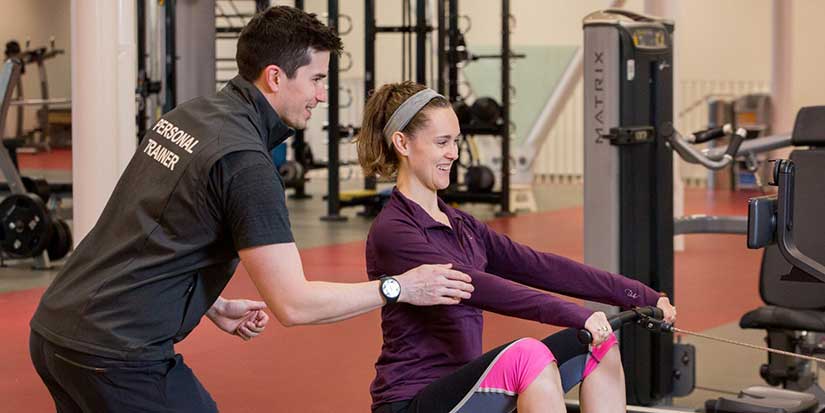
RS: In Part 2 you refer to something I can relate to, and that is exercise for mental strength. When I was suffering from an injury in late December and didn't exercise for about three weeks, I really felt it mentally and physically.
RM: Yes, it will definitely impact your mind and your mood. I think what's very important when it comes to exercise and movement is to see movement as medicine for the brain. And it doesn't have to be so intense and vigorous. Just simple exercise walking, dancing, stretching for 30 minutes a day can have a powerful shift. And I think what's important, is instead of always visualizing a workout as vigorous and intense it's better to view movement as something supportive for the mind. Another very important thing to do is to recognize the mind body connection. When we train the body with movement, we also train our mind automatically with repetition. And in the same way, when we train our mind, we can get our mind to get our body to do exercise. So they both work hand in hand.
RS: Part 3 It's interesting because I was reading a study recently, and a key word used was repetition in that repeating these things to yourself, leads to moving from limitation to empowerment. I'm very curious for your thoughts on this.
RM: What we do with repetition becomes almost an automatic behavior, but it all starts with being aware of your thoughts. Your thoughts create your feelings. Your feelings affect your behavior and your biology. So what I want viewers to remember is empowered thoughts create empowered outcomes, and negative thoughts will keep you stuck. So awareness of your thoughts is the first thing to change. An important question to ask yourself when you experience a negative thought is to ask if this thought is true? Is it helpful or is it harmful? I ask my viewers and my patients to always become the objective observer of their thoughts. What action can I take today that my future self will thank me for? Ask is this really true? How can I change it and think of something else that's more empowering? Be aware, reframe challenges as opportunities and watch that inner dialogue. If we respond to the inner critic harshly it will affect our feelings and our behavior. So be kind to yourself instead of saying, I can't say I can. Just making that switch in the way you think is so powerful your words become the architects of your reality.
RS: Part 4 – Gratitude I’m really interested in how gratitude can be a key element to mental fitness.
RM: I'm sure you’ve heard people say, be grateful. According to science, gratitude actually helps your mind focus on what's working instead of what's not working. And what that does is, it creates emotional steadiness and it grounds you in the present moment. In my first book, I remember a study that found subjects who journaled five things a day after about two months, they were more positive, they were very energetic. So gratitude is really important along with visualization, because if you visualize the ideal version of yourself part of your brain is going to think that it's real. And you will behave in a way to make that vision a reality.
RS: Part 5 Reflect and grow through journaling. I am one of those people that it makes more sense, thoughts become easier to understand when you write them down.
RM: I am a big fan of journaling. I actually get a new journal every year on my birthday. So I see the page as a power tool. And journaling is your evolution on paper. So it's your silent coach, it's your best listener, and it's your most honest mirror. I see journaling as an appointment we make with ourselves. Journaling should take five minutes, it’s a time to pause and to give clarity. You basically write down what went well today and visualize a little bit of the next day. So what that does is you celebrate your wins and that reinforces consistency.
You can watch the video interview in full www. richmondsentinel.ca/videos
For more information: information@rika; diet4wellness.com; infoecadiet4wellness.com












































































































































































































2 Hours of free financial consulting
Jai Xin Planning Ltd.
C$120.00 C$0.00

Use any of our home staging service and get a second month rental for free!
MiiX Interiors
C$500.00 C$0.00

Get 10% off any order
Phantom Screens Lower Mainland
C$200.00 C$180.00