Arts & Culture
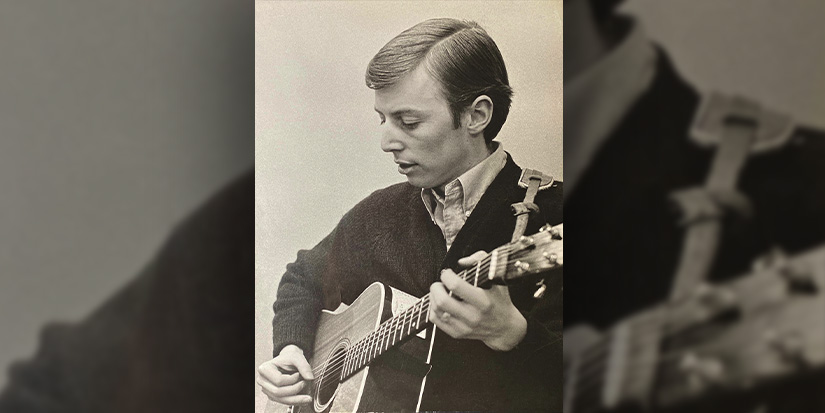
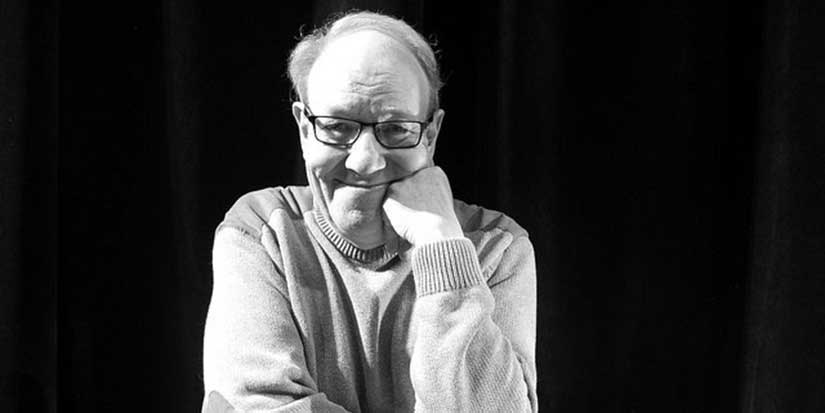
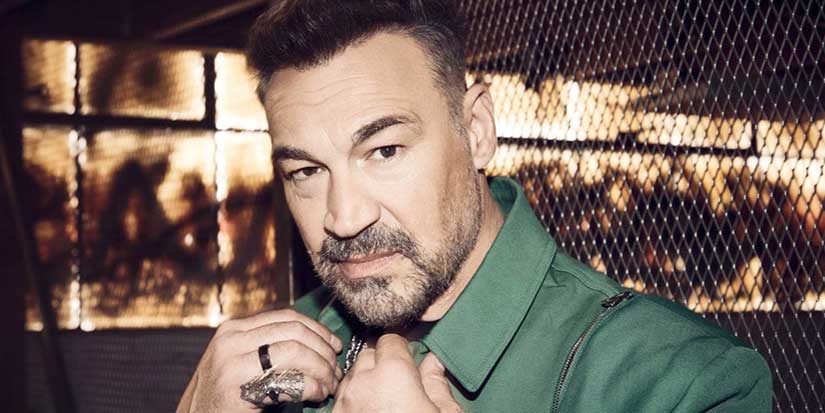
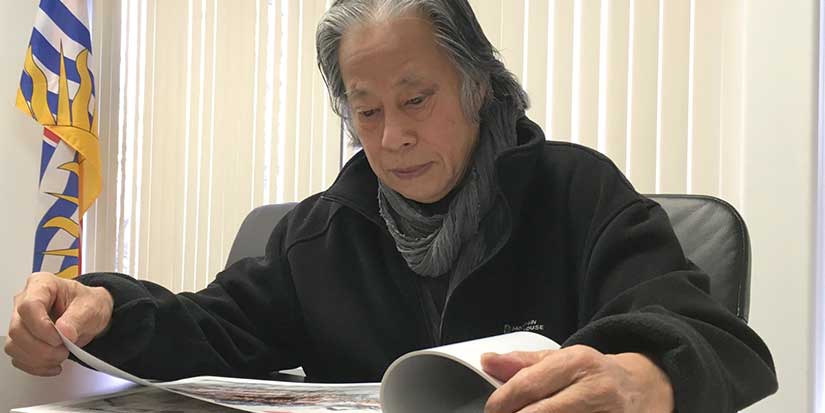
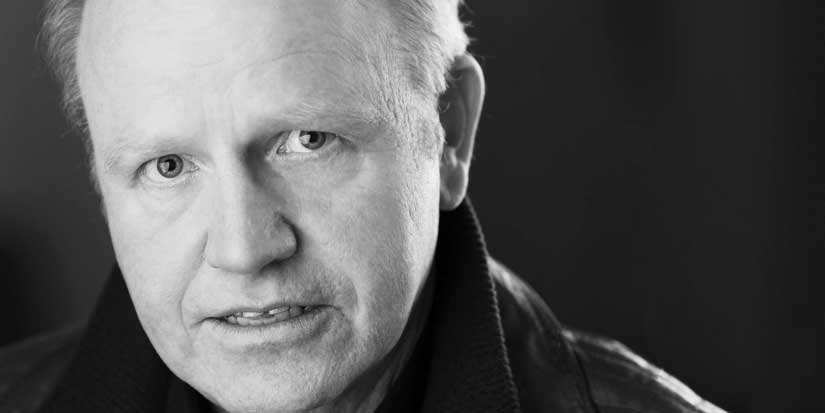
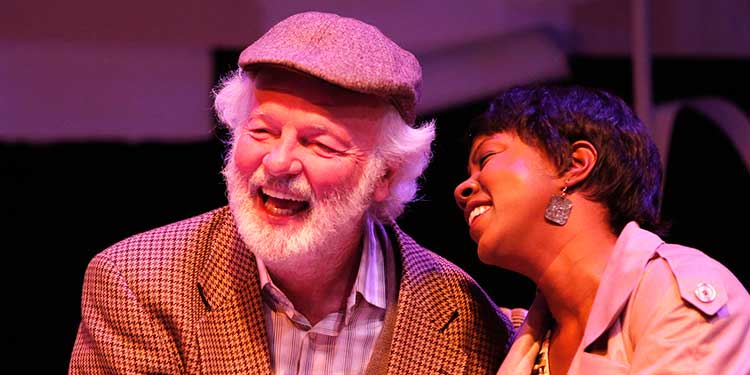
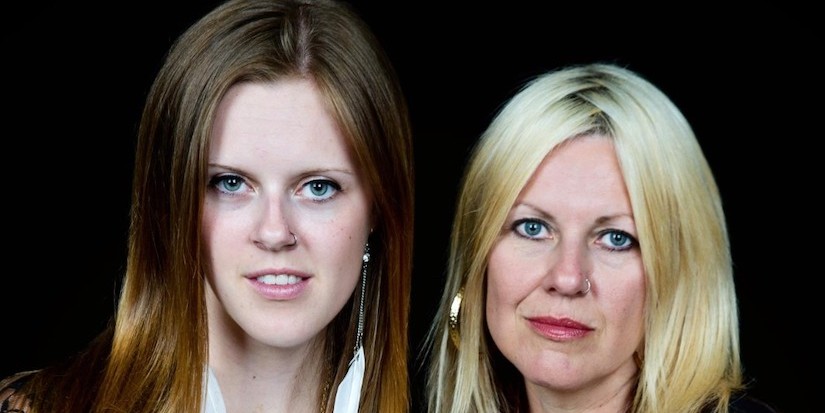
Photo courtesy Tom Northcott
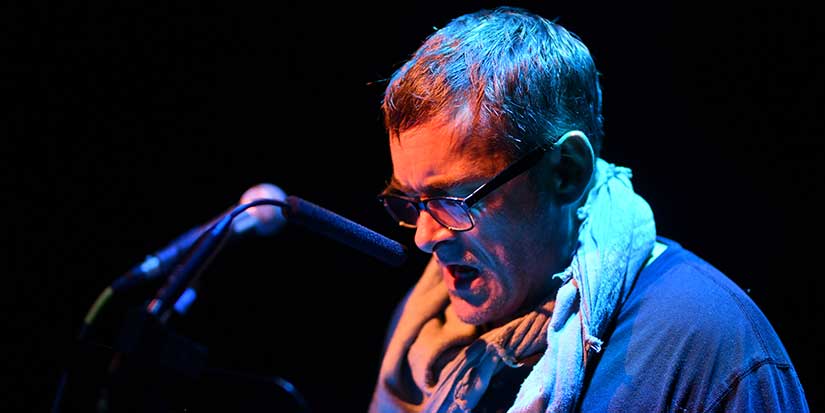
Tom Northcott The West Coast Voice that Refused to Stay in One Place


–
I recently profiled a newly released recording called ‘The History of Vancouver Rock, Volume 5.’ Among the featured artists in the collection of rare, musical nuggets is a live track by Tom Northcott. Long before Vancouver became known as a major Canadian music centre, Northcott was putting the city on the map. He began performing in local coffeehouses in the early 1960s, particularly around Kitsilano. It was a fertile time for music, when folk, rock and the emerging counterculture were beginning to collide, and Northcott was right in the middle of it. “In 1957, there was a talent show at Point Grey Secondary,” recalls Northcott. “Rock was hot and fresh, and I wanted to play but had no guitar, nor could I play one. My friend Steve’s dad had one, which he lent me. Three weeks and three chords later, I made my country-pop-rock debut to a full house. I was nervous offstage, and when I walked into the spotlight, the kids roared like I was Elvis and I panicked: no thought, just full-on panic. But I sang my songs to wild applause and panic morphed magically into euphoria.”
“I placed second to a baton twirler, but I don’t think she got invited to as many parties with her baton as I did with my guitar.” Despite not winning, Tom’s musical future shone much brighter. In the mid-1960s, CFUN Radio Program Director Tom Peacock informed the young singer that he had sent one of his records to a talent scout in Los Angeles and Warner Brothers wanted him to contact them. “I didn’t – then in 1965 he sent another and again told me that WB wanted me to contact them. Again, I didn’t. Peacock seemed quite agitated about it, probably wondering what was wrong with me. I was ambivalent – I liked being appreciated but had reservations. Maybe I just liked ‘doing it all’ with my own record company in my own country with my own musicians.”
In 1965, he formed the Tom Northcott Trio, and they quickly became a fixture on Vancouver’s club scene, while appearing regularly on CBC Television’s Let’s Go. They also travelled to California, where they opened for acts including The Who, The Doors and Jefferson Airplane. But Northcott was more than a performer. He was also an entrepreneur and producer. He established New Syndrome Records, one of Vancouver’s early independent labels, and later developed his own production operation.
By the late 1960s, his growing reputation had attracted attention. Then came ‘Sunny Goodge Street’. Written by Scottish singer Donovan Leitch, the psychedelic pop song became one of Northcott’s signature recordings. “Sunny Goodge Street – arrangement by Leon Russell – was my first Warner Brothers recording,” he says. “I went to LA to record the vocal but wasn’t there for the ‘sweetening’ recording of harp, calliope and mandolin.”
“What I heard on the demo was so wildly different from any arrangement I could possibly have imagined that, at first, I was stunned. WTF? But on subsequent hearings, I began to get it and soon fell in love with it.” ‘Sunny Goodge Street’ was released in 1967 – the Summer of Love.
“I was back in San Francisco, and the record came out the same week as ‘Sgt. Pepper’s Lonely Hearts Club Band.’ Within 24 hours, ‘Goodge St.’ was the #1 request on local radio, and the 45 RPM single was selling. I was near delirious, certain of success. I’d hit the ‘Big Time’ – but San Francisco in the Summer of Love was an exceptional place in exceptional times, and local successes around the world didn’t lead to ‘Sunny Goodge Street’ topping any national charts. More hits followed, including ‘1941’, ‘Girl from the North Country’, ‘The Rainmaker’, and ‘Crazy Jane’.”
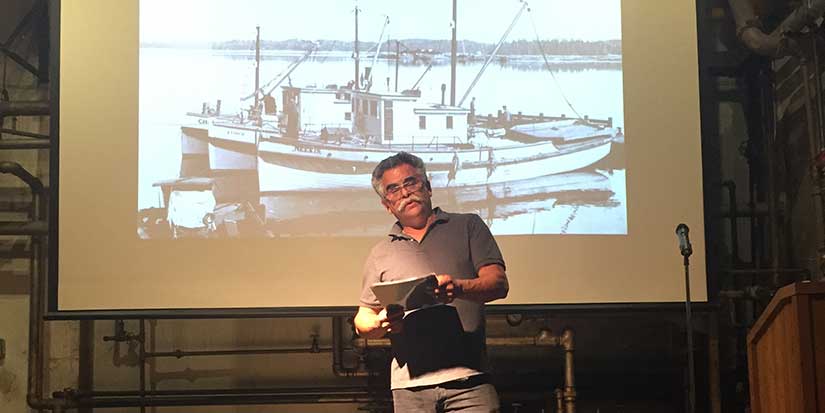
The recordings were distinctive: his voice was powerful and earnest, sometimes unconventional, but capable of bringing an emotional intensity to songs written by other artists. By 1970, Northcott was firmly established as one of Canada’s notable West Coast recording artists, and an RPM profile described him as an important figure in establishing Vancouver as something more than a secondary Canadian music market. He was also becoming increasingly interested in the studio itself. Northcott built Studio 3 Productions and produced his own recordings, demonstrating that his ambitions extended beyond standing behind a microphone. But Northcott’s story did not follow the usual rock-and-roll script. By the early 1970s, he had left the performing world and became a commercial BC fisherman. He later studied law, eventually developing a career in Maritime and Admiralty Law.
A brief return to recording came in 1990 with ‘The Trouble with Love’, but the era of regular touring and hit-making was over. “The call of the sea took me from the business of music,” he says. “I left the music business for commercial salmon fishing. I was/am full-on ADHD – my favourite definition of which is ‘a hunter in a farmer’s world.’ (Thom Hartmann) My sister Jane (‘Crazy Jane’) got engaged to Norman, who invited me out to fish salmon with him. We left Port Hardy for open waters on a sunny, warm July evening, set out the net and waited – sundown, then planets and stars all around in the clean clear salt night air. We ran the boat along the net. In the spotlight beam we saw netted fish and corks pulled down by the weight of fish we couldn’t see. Then we were pulling net, picking fish, filling the hold and yakking all the while.”
“Just after dawn we delivered our catch to a collector boat – they paid us in cash and offered us coffee – “no thanks, time to sleep” “…with rum?” they added. “O yeah, great!” Tom Northcott was inducted into the BC Entertainment Hall of Fame in 2008, in recognition of a career that helped shape Vancouver’s musical identity during one of its most exciting periods. His legacy is best understood not simply through record chart positions but through the breadth of his career: singer, bandleader, label founder, producer and, ultimately, a man willing to walk away from the spotlight. Music was never just about fame. “I didn’t, couldn’t and never will leave music itself, because music won’t leave me,” he adds. “I have gone where dreams and curiosity have led me.”


































.jpg)



.jpg)











































2 Hours of free financial consulting
Jai Xin Planning Ltd.
C$120.00 C$0.00

Use any of our home staging service and get a second month rental for free!
MiiX Interiors
C$500.00 C$0.00

Get 10% off any order
Phantom Screens Lower Mainland
C$200.00 C$180.00